The Science Blog

Science and chemical manufacturing resources

What is the Relationship Between Amino Acids and Proteins?

Amino acids and proteins have an integral relationship. Amino acids are traditionally defined as the fundamental building blocks of proteins, forming peptide bonds to build various types of them. This linear structure is called the primary structure of proteins, and usually forms α-helices and β-structures as their secondary structures. In turn, they can fold in several ways to form their...

What Are Amino Acids?

Amino acids are organic or carbon-based compounds that have two functional groups: an amino group and a carboxylate group. The amino group is slightly basic, while the carboxylate group is acidic. See the illustration below for an example. The R group or side chain mainly determines the amino acid’s chemical and physical properties. It can be of various sizes, shapes,...

What Are the Different Types of Sugar?

Sugars are a type of carbohydrate, which means they contain carbon, oxygen, and hydrogen. They’re soluble in water and, of course, sweet-tasting. Various types of sugar are found in our daily diet, from the table sugar we use in our morning brew to the sugar in fruits and chocolate we like to snack on. These sugars all have similar repeating...

Why Are Vitamins and Minerals Important in Our Diet?

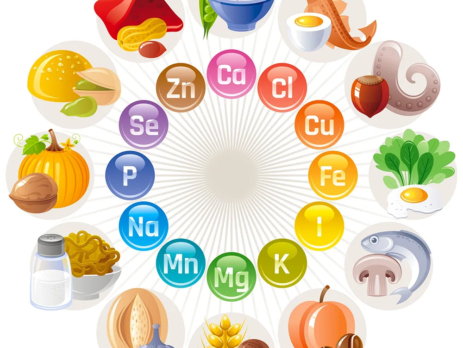
We need vitamins and minerals for various purposes. They are essential micronutrients that act as coenzymes, cofactors, macromolecule components, electrolytes, and structural components of tissues such as bones. Micronutrients help control the breakdown of nutrients and the precise release of energy by our cells for various metabolic processes.The human body can synthesise some vitamins on its own, like vitamin...

What Do Minerals Do For the Body?

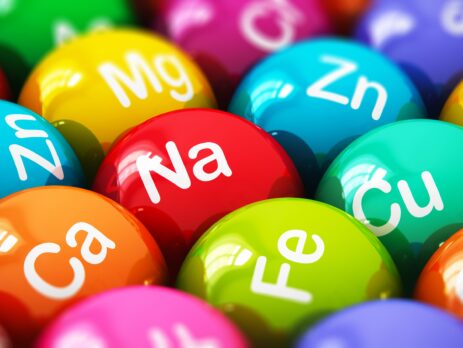
Minerals are inorganic substances that are typically found in food. They’re mainly used by the body as cofactors and as electrolytes. Some have an important role in maintaining our bones and teeth, while others are essential in carrying vital substances throughout the body. Iron, for instance, is the central atom of haemoglobin that carries oxygen.Minerals are classified as micronutrients,...

What Are Minerals?

Minerals are micronutrients that are found in small amounts in dietary sources, particularly fruits and vegetables. They have a wide range of functions, acting as electrolytes, inorganic cofactors of enzymes, and as materials to support healthy bones and teeth, hormone synthesis, muscle contractions, and haemoglobin synthesis.What Are Minerals Needed For?Minerals are inorganic micronutrients needed by the human body for...

What is Aldehyde?

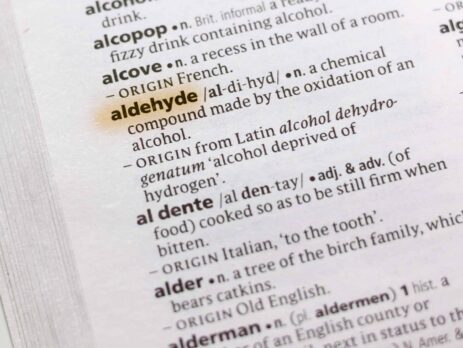
Aldehydes are primarily derivatives of alcohols. Like many other chemicals, aldehydes are identified based on their functional group. They are organic compounds that have a carbonyl group attached to a hydrocarbon group (i.e. an alkyl substituent) and hydrogen atom. This is structurally and chemically similar to ketones, so it’s not surprising that some of the properties of aldehydes are...

What the Chemical Industry Can Do to Support Sustainability

Environmental sustainability isn’t a mere fad or legal obligation, but a logical, moral, and practical approach to doing business on a large scale. It’s all about balancing productivity, based on a company’s need to be profitable, with the environmental impact of its operations. In essence, sustainability is about weighing the long-term effects of economic and technological progress against the availability...

About The Science Blog

At The Science Blog, we write about the latest from the world of science, chemistry, and chemical manufacturing. From the chemical methods of food preservation, soap making and why Mentos react with cola to the different types of salt in chemistry and the chemistry of fire, you’ll find all the resources you need to sate (and pique!) your curiosity about science.

If you’re interested in a career in science or chemistry, you can also use The Science Blog to find all the information you need on chemical careers. Whether you want to learn how you can pursue your dream job, or simply want to know what skills you need to pursue a STEM career, The Science Blog empowers you with the knowledge you need to begin your journey.

If you’re part of the chemical manufacturing industry, or want to learn more about it, The Science Blog also features a range of articles that focus on exactly that. Maybe you want to know how you can make your chemical manufacturing facility more eco-friendly, learn how titration is used in the pharmaceutical industry, explore the latest version of the ISO 9001 Standard, understand chemical reagents or uncover the benefits of cleanroom contract packing.

And for all of you chemistry buffs out there, The Science Blog lets you delve deeper into complex topics like the pH scale, aldehydes, ketones, HEPES buffer, and diagnostic reagents. Discussing the molecular structures and uses of different chemicals, we help you better understand the inner workings of common substances used in science. No matter what aspect of chemistry you’re interested in, The Science Blog has it all!

Explore our interactive periodic table

interactive periodic table on laptop screen

Explore our interactive periodic table

Jane Fletcher

Google
5/5

Always have excellent service from yourselves from ordering product to delivery.

Kevin Wallcroft

Google
5/5

A particularly easy to deal with chemical company. I telephoned, got all the advice needed with excellent friendly service. My chemicals arrived the very next day. Very happy!

Joanne King

Google
5/5

Fast efficient service, was kept updated on order throughout. Can not fault ReAgent sales and delivery processes.

Hebe Arat

Google
5/5

Their customer services were very helpful, sending us all the lab reports we needed, before we even bought from them. Then, once we ordered the product came very quickly.

Kerry L Customer Service

“All enquiries are treated as confidential – we never share your details”
Kerry
Customer Service

Darren W Technical Director

“Our manufacturing facility is accredited to ISO 9001, ISO 13485, ISO 14001 and ISO 45001”
Darren
Technical Director

ReAgent team headshot - sales team

“We provide comprehensive technical support with every enquiry”
Jo
Account Director

Shahryar Nafici
Read More
This is around 10 years that I am ReAgent chemical user, very good quality and also very on time delivery.
Kevin Wallcroft
Read More
A particularly easy to deal with chemical company. I telephoned, got all the advice needed with excellent friendly service. My chemicals arrived the very next day. Very happy !
Joanne King
Read More
Fast efficient service, was kept updated on order throughout. Can not fault ReAgent sales and delivery processes
Hebe Arat
Read More
Their customer services were very helpful, sending us all the lab reports we needed, before we even bought from them. Then, once we ordered the product came very quickly ( the next day!)