Accuracy is central to every stage of pharmaceutical manufacturing. Companies rely on data and seamless technical processes to ensure product quality, patient safety, and legal compliance.
To achieve precision, scientists and engineers must bake pharmaceutical calibrations and instrumentation maintenance into their workflows. Doing so supports a reliable manufacturing process, from raw material and diagnostic reagent testing to quality assurance.
The result – high-quality pharmaceuticals produced at the speed required to meet public demand.
This article explores instrument calibrations in the pharmaceutical industry.
In this post:
Key Takeaways
Pharmaceutical calibration and instrumentation maintenance are essential for regulatory compliance, drug consistency, and patient safety
Modern drug manufacturing and testing regulations provide a framework for pharmaceutical calibrations and instrumentation
Different types of pharmaceutical testing equipment require regular calibration to ensure accuracy before batch release
Calibration methods for laboratory instruments depend on the equipment, environment, and regulatory requirements
Instrument calibration within Process Analytical Technology (PAT) systems supports real-time process control
Manufacturers can apply calibration methods across many testing processes
Understanding Pharmaceutical Calibrations and Instrumentation
Pharmaceutical calibration is the process of checking and adjusting instruments against standards set by key regulatory agencies.
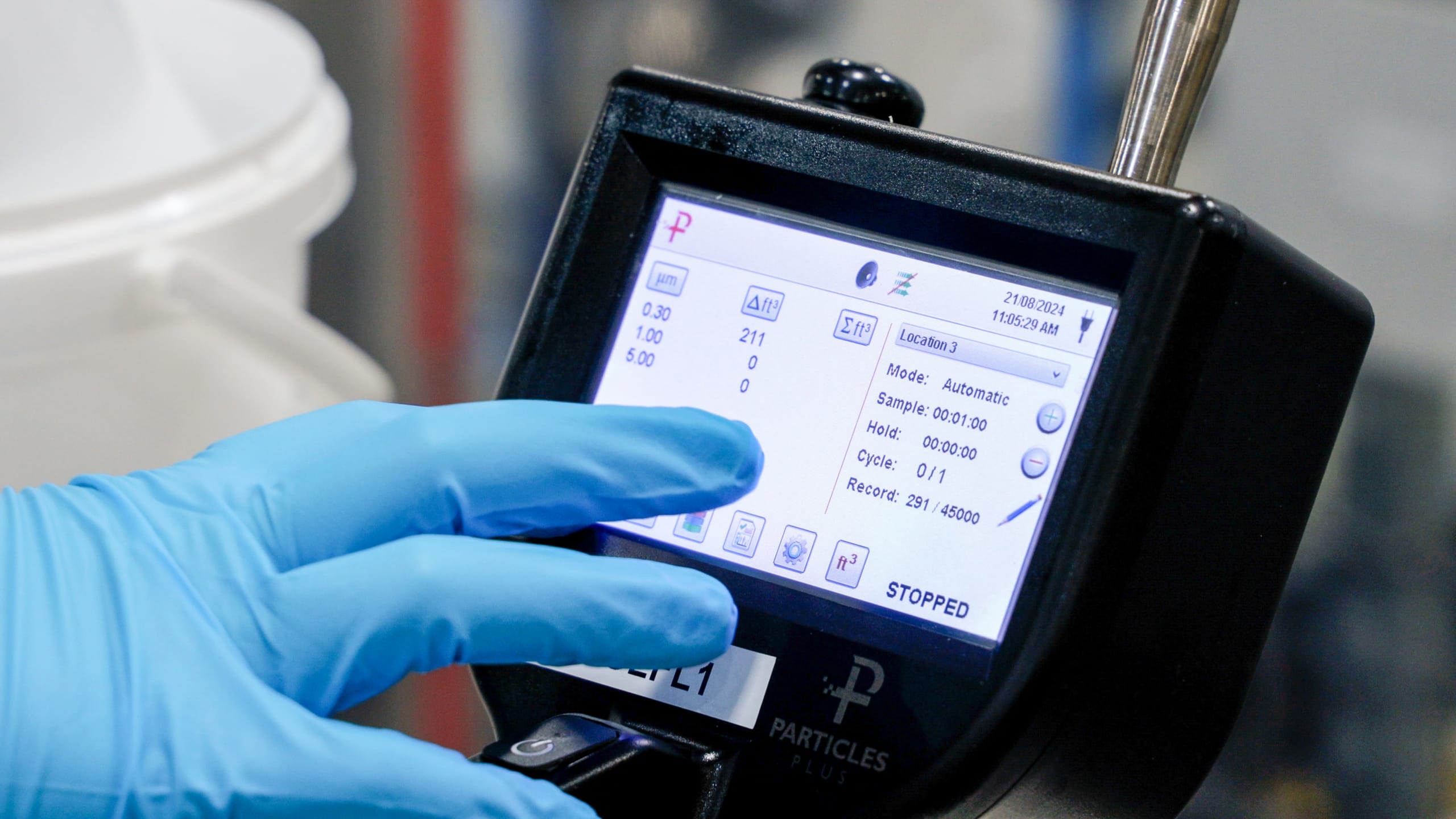
Pharmaceutical companies must perform regular checks and calibrations on instrumentation, including:
- pH meters
- Pressure gauges
- Flow meters
- Balances and scales
- Temperature sensors
- Spectrophotometers
- Chromatography systems
These instruments are incredibly precise. However, they’re still prone to wear and environmental factors that impact performance.
Instrument drift is a common challenge for scientists and pharmaceutical engineers. It refers to the gradual degradation of an instrument’s measurement accuracy.
Drift affects sensors, scales, meters, and production equipment. It’s caused by temperature variations, mechanical stress, and age. Unmonitored drift can result in inaccuracies that compromise a drug’s efficacy and safety.
Regular pharmaceutical calibrations and instrumentation adjustments detect drift and other inaccuracies, allowing teams to make calculated changes.
Historical Development of Calibration in the Pharmaceutical Industry
Pharmaceutical manufacturing and testing processes were predominantly manual in the first half of the twentieth century. Drug consistency and reproducibility were far more difficult to achieve in this environment.
Events like the thalidomide scandal, which involved over 10,000 children being born with birth defects, prompted many countries to introduce more stringent pharmaceutical testing and licensing guidelines.
The Food and Drug Administration (FDA) published the Good Manufacturing Practices (GMP) regulations for pharmaceutical manufacturing in 1963. This set quality standards for the production, control, and storage of drugs.
Updates to the GMP established standards and methods for pharmaceutical calibrations and instrumentation. They also required traceable calibration records and protocols that support precision instrumentation.
The FDA introduced Process Analytical Technology (PAT) in 2004. This encouraged the use of inline and online sensors that support the real-time monitoring of critical production parameters.
Today, AI and machine learning help pharmaceutical manufacturers analyse calibration data, predict instrument drift, and manage calibration schedules.
Meeting Regulatory Compliance
Regulatory compliance is integral to pharmaceutical manufacturing. Agencies like the FDA, European Medicines Agency, and the Medicines and Healthcare products Regulatory Agency require companies to maintain programmes for pharmaceutical calibration and instrumentation adjustments.

Calibration requirements appear in the following regulatory frameworks:
- Current Good Manufacturing Process (cGMP) – Ensures the identity, strength, quality, and purity of drugs by requiring pharmaceutical companies to adequately control manufacturing operations
- The International Council for Harmonisation “Q10 Pharmaceutical Quality Systems” (ICH Q10) – Provides a framework by which pharmaceutical manufacturers can manage quality throughout the entire production lifecycle.
- FDA 21 CFR Part 211 – Mandates that all automatic, mechanical, or electronic equipment used in pharmaceutical manufacturing be regularly calibrated
Pharmaceutical calibrations and instrumentation programmes must demonstrate traceability. Every calibration should link to a national or international measurement standard. This ensures results are comparable across facilities and over time.
Companies must also create and maintain up-to-date calibration records. These documents are crucial for successful site inspections. They demonstrate to auditors that instruments were calibrated on time, that inconsistencies were investigated, and that corrective measures were taken.
Non-compliance with calibration frameworks may result in drug recalls or the loss of manufacturing authorisation.
Types of Analytical Instruments That Require Calibration
Pharmaceutical testing equipment includes everything from basic laboratory tools to highly specialised analytical devices. Each instrument has its own calibration requirements and tolerances.
Analytical instruments that require regular calibration include:
- Balances and weighing systems – Critical for measuring active pharmaceutical ingredients, biological buffers, and excipients with precision instrumentation
- Temperature monitoring instruments – Used in stability chambers, autoclaves, and storage areas
- pH meters and conductivity analysers – Used in process control and quality testing
- Spectrophotometers and chromatography systems – Used extensively in analytical instrument calibration for identity and purity testing
- Pressure gauges and flow meters – Essential for performance monitoring and verification in equipment like vial filling systems
Calibration complexity for these instruments varies.
For example, calibrating a basic thermometer may take minutes. However, calibrating a chromatography system requires a structured approach to examine hardware, software, and performance criteria.
Calibration Methods for Laboratory Equipment
There are several approaches to laboratory equipment calibration. The right method depends on the instrument, its importance, and the regulatory environment.
The most common approaches in pharmaceutical settings are comparison calibration, internal calibration, and multi-point calibration.
Comparison calibration involves measuring a reference standard and comparing the instrument’s output against it. This method is useful for balances and thermometers, where an accuracy reference is readily available.
Also referred to as self-calibration, internal calibration involves automated functionality within the instrument itself. Moisture analysers, viscometers, and electronic scales often have this feature. Internal calibration facilitates automatic checks, but external calibration is typically required for regulatory compliance.
Multi-point calibration generates a calibration curve across a range of values. Spectrophotometers and pH meters require multi-point calibration to confirm their performance across the full range.
Process Analytical Technology (PAT) Approaches
Process analytical technology has revolutionised production and quality control in the pharmaceutical industry. Rather than testing a full batch after production, PAT enables real-time monitoring and control of manufacturing processes as they happen.
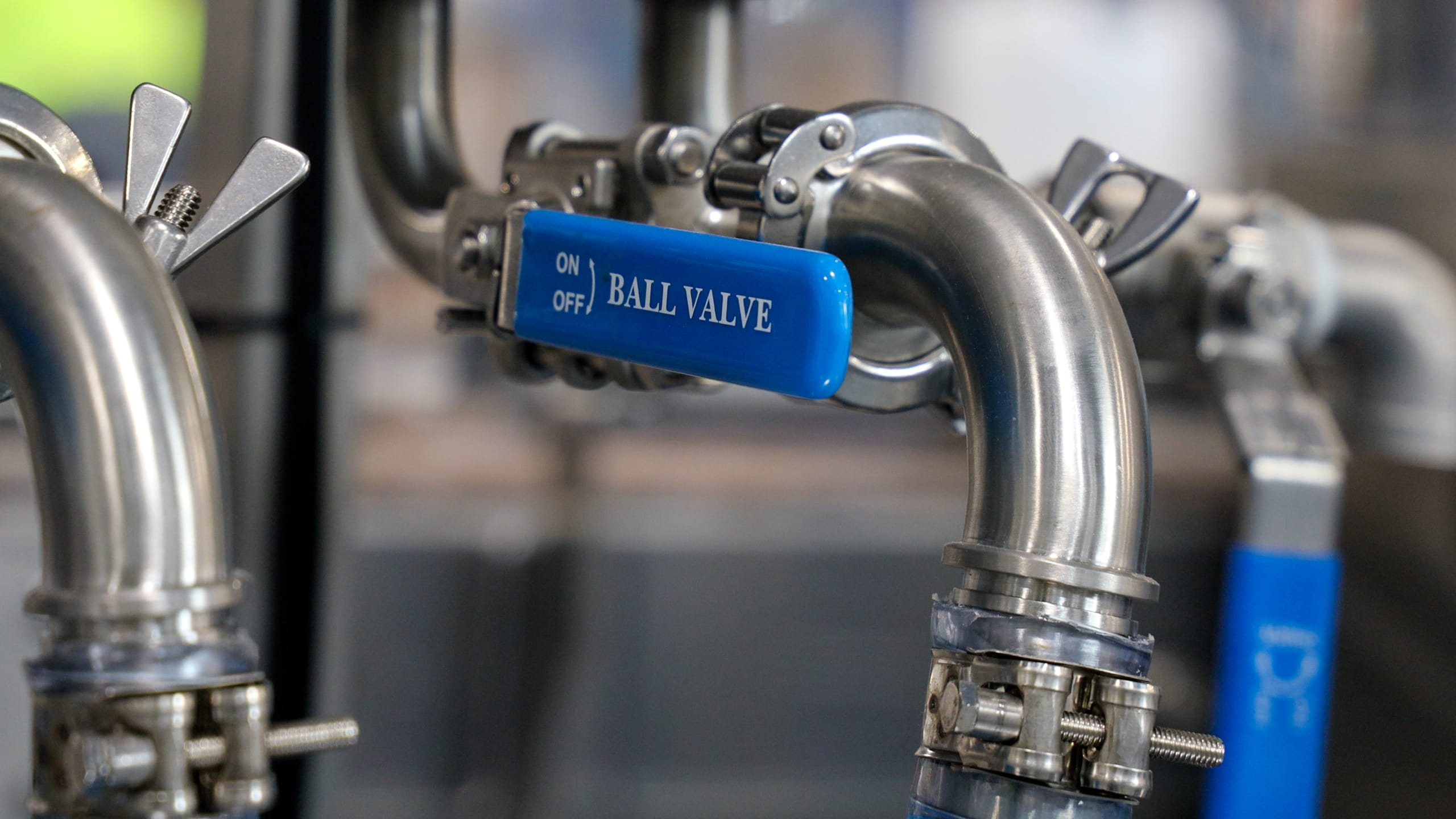
Instruments within PAT systems include near-infrared (NIR) spectrometers, Raman probes, and in-line particle size analysers. These instruments generate continuous data streams during production, allowing operators to detect and correct deviations before they result in a failed batch.
Calibration is integral to the reliability of PAT systems. For example, a NIR spectrometer used for monitoring continuous chemical blending must be calibrated with models that account for variability in raw materials and environmental conditions.
Pharmaceutical calibrations and instrumentation requirements for PAT tools are more complex than those for traditional laboratory instruments. This is a result of their continuous operation and influence on manufacturing decisions.
Regulatory agencies have actively encouraged the use of PAT systems. They help drug manufacturers reduce testing costs, shorten release times, and gain a better understanding of their processes. These benefits support stronger regulatory compliance.
Calibration Applications in Pharmaceutical Testing
Pharmaceutical companies use instrument calibration for various testing processes, from analysing incoming raw materials to final quality assurance. Each application includes its own set of instruments, calibration timelines, and criteria.
In raw material testing, precision instrumentation confirms that incoming ingredients meet specifications before the manufacturing process. Balances, spectrometers, and moisture analysers all require verified calibration.
During manufacturing, calibrated instruments monitor critical process parameters such as temperature, pressure, and mixing times. These readings feed into batch records and digital quality management systems that automatically flag anomalies.
In quality control laboratories, pharmaceutical testing equipment must undergo regular calibration. Chromatography systems, dissolution apparatuses, and Karl Fischer titrators require documented, traceable calibration records before batch release.
Stability testing is the evaluation of a drug’s quality over time under different environmental factors. Instruments and storage chambers used in stability testing must maintain consistent conditions over months or years.
Calibration schedules for stability testing tend to be more frequent. Inconsistencies require a documented assessment of the integrity of a stored sample.
Conclusion
Pharmaceutical calibrations and instrumentation adjustments underpin the accuracy, consistency, and regulatory compliance in drug development and manufacturing. From analytical instrument calibration in labs to real-time monitoring in PAT systems, a well-managed calibration programme protects product quality and improves patient safety. For any pharmaceutical company, investing in reliable calibration practices is a crucial safeguard.