Quality control is crucial in automotive chemical manufacturing. It allows experts to identify defects and ensure products meet the required industry standards. This reduces the risk of vehicle malfunctions and improves driver safety.
Chemical manufacturers produce a variety of chemicals used in automotive products. These products must go through a rigorous quality control process to ensure they’re effective and safe to use. Quality control also ensures companies maintain regulatory compliance.
Continue reading to learn about the importance of quality control in automotive chemical manufacturing.
In this post:
Key Takeaways
Automotive chemicals have many applications across the industrial and consumer automotive sectors
Quality control and regulatory compliance is crucial for maintaining product safety and consistency in automotive chemical manufacturing
Staff training, stringent testing, and a controlled manufacturing environment are pillars of high-quality automotive chemical production
For automotive chemical manufacturers, traceability and batch control are crucial risk management tools
What is Automotive Chemical Manufacturing?
Automotive chemicals is a specialist sector within chemical manufacturing. Some chemical manufacturers produce multiple types of automotive chemicals, including motor oils, brake and transmission fluids, cleaning agents, antifreeze, and refrigerants. Others specialise in making a single, specific product.
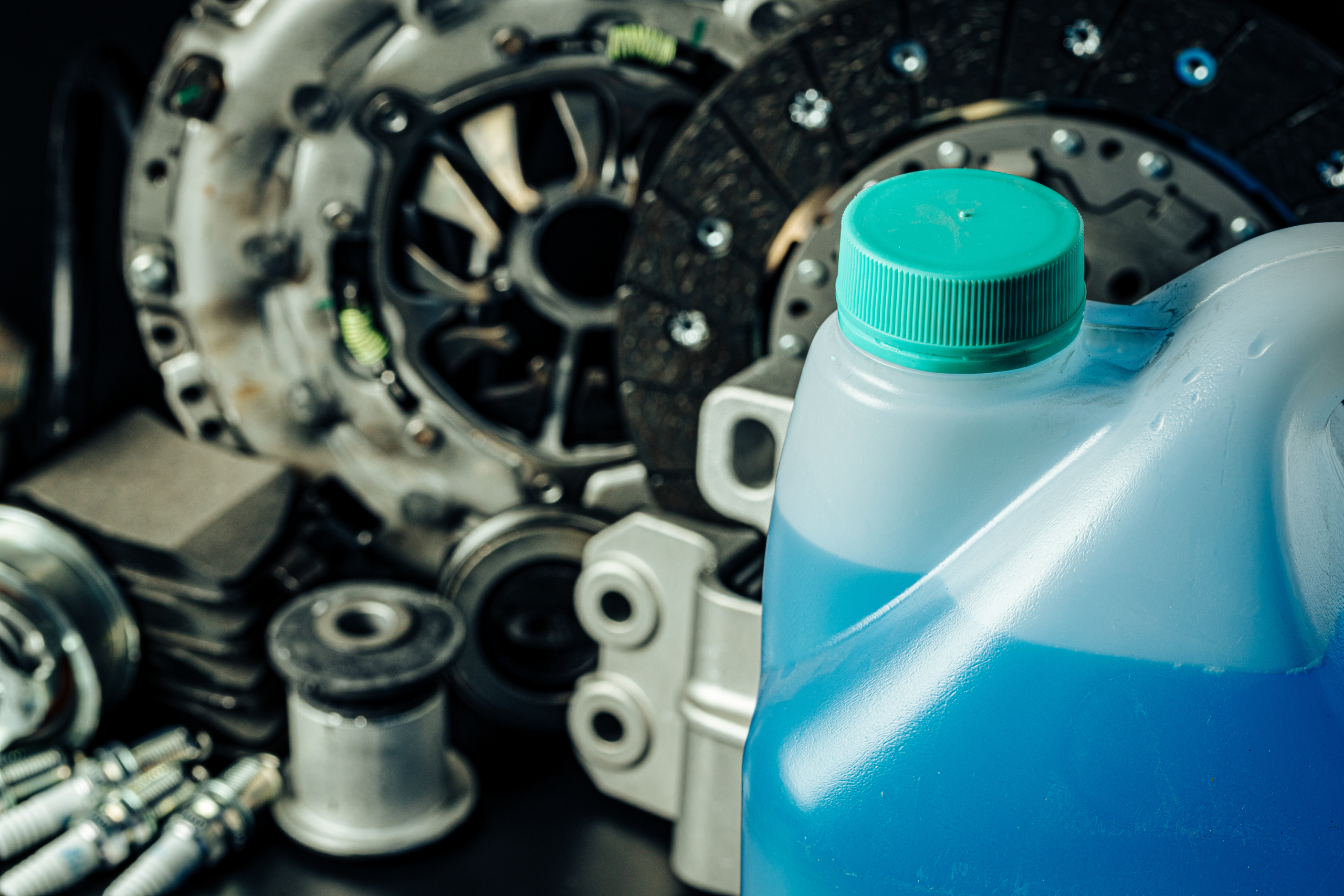
As many of the chemicals used in automobiles have multiple applications, this type of manufacturing inevitably overlaps with other industries. Antifreeze, for instance, is also used in the aviation industry to prevent ice from forming on planes before take-off.
Some automotive chemicals, such as industrial-grade electroplating products, are sold on a B2B basis. Others, like car polish wax, are sold directly to the end-user or consumer.
The Importance of Quality Control in Automotive Chemical Manufacturing
Quality control in automotive chemical manufacturing ensures products are effective, efficient, and safe. Maintaining exceptional quality standards helps businesses build a good reputation and improve consumer satisfaction. It also enables them to comply with regulatory requirements and industry standards.
Regulatory Compliance
IATF 16949 is the global technical specification and quality management system standard for the automotive industry. It was designed to ensure continuous improvement, defect prevention, and waste reduction throughout the automotive supply chain.
Many automotive manufacturers and suppliers expect chemical manufacturers to operate in line with IATF 16949. Failing to adhere to these standards could lead to the loss of supplier licenses.
Automotive chemical manufacturers must also adhere to chemical and environmental regulations, including:
- REACH – The regulatory framework that governs the manufacture, import, and use of chemical substances in the UK
- Chemical classification, labelling, and packaging (CLP) requirements – Requires companies to classify, label, and package their chemicals before placing them on the market
- Control of Substances Hazardous to Health (COSHH) – UK legislation that requires companies to control, reduce, or prevent employee exposure to hazardous materials
In addition to adhering to current regulations, chemical manufacturers must also monitor evolving restrictions on handling hazardous materials.
Traceability and Batch Control
In the automotive chemical manufacturing industry, a single batch of contaminated coolant or adhesive can lead to a major recall. This is why traceability and batch control are two pillars of risk management.
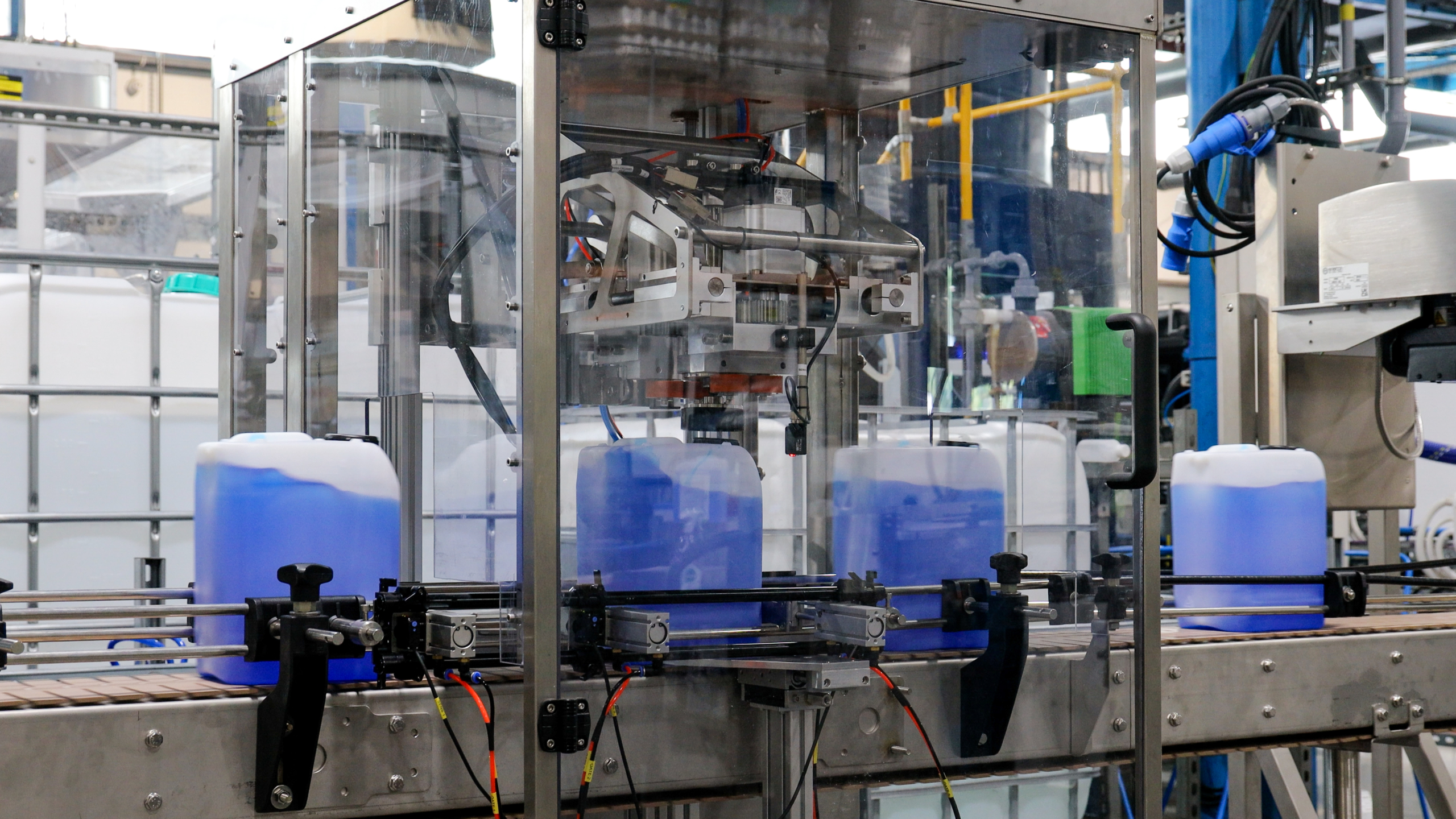
While general manufacturing tracks “parts,” chemical manufacturing tracks “substances,” which introduces complexities like blending, splitting, and chemical reactions.
For traceability to be successful, it must be bidirectional. Downstream traceability allows a chemical manufacturer to identify which customer received a product from a contaminated batch. Upstream traceability allows a manufacturer to trace a product back to raw materials, a specific mixing vessel, or even a production operator.
Batch control ensures every drop of a product meets the exact specifications. Chemical manufacturers should use batch production records (BPRs) that define the exact process required during production.
Integrating Quality Control in Automotive Chemical Manufacturing
If product defects are found during the quality control process, corrective action can be taken. In some cases, this might mean making changes to the production process or improving the quality of the raw materials used.

There are several ways to ensure quality control processes are accurate and precise:
A Well-Trained Staff
Ensuring staff receive the right training is essential if chemicals are to be manufactured to a high standard. In some cases, incorrectly measuring a reagent by as little as a few millilitres, or allowing the temperature to fluctuate by just a couple of degrees, can ruin an entire batch.
Employing people who are experts in their field or providing the necessary training can help to prevent such errors. Not only will staff members understand the importance of precision, but they’ll also know how to correct mistakes before they occur.
Precise and Clear Documentation
From employee handbooks and machine manuals to daily operation protocols, every automotive chemical manufacturer should have clear and precise instructions in place.
In addition to ensuring the manufacturing process remains efficient, clear documentation promotes accountability and makes it easier to identify errors and possible negligence.
Product Testing
Quality control involves subjecting batches or product samples to rigorous testing to determine whether they pass certain standards.
However, you don’t need to test every product in the batch – sampling is usually sufficient if it’s statistically significant. Testing should only be concluded if no mistakes or defects are found.
A Clean, Controlled Environment
Working in a clean and controlled environment is essential when it comes to quality control. Many automotive chemicals require precise calibrations in terms of the concentration of the reactants.
However, this can only be done accurately if there are no extraneous chemicals or contaminants present. Manufacturers must use cleanrooms for products that need to be packaged under strict hygienic conditions.
Establish a Step-by-Step Quality Control Procedure
Quality control management is more than simply testing products to check for defects. An automotive chemical manufacturer should have a step-by-step quality control procedure in place, covering areas like quality planning, quality assurance, and quality improvement.
Conclusion
Quality control in the automotive chemical manufacturing industry is extremely important. It allows workers to detect product defects and ensures chemicals meet the required safety standards. Employing highly-trained staff, having clear documentation and maintaining a clean and controlled environment are just some of the ways chemical manufacturers can ensure quality control. It’s also important to establish, maintain, and update a comprehensive quality control procedure.