Known primarily for its role in bone health, vitamin D is also recognised as an important modulator of immunity, cell growth, and neuromuscular functions. It’s found in a range of foods and beverages, and many people take vitamin D supplements as part of their dietary routine.
A vitamin D deficiency can cause a loss of bone density, which can eventually lead to osteoporosis. Prolonged vitamin D deficiency may cause osteomalacia (softening of the bones) in adults and rickets in children, with symptoms including bone pain, skeletal deformities, and muscle weakness.
The science behind vitamin D supplements can shed light on how certain diseases develop due to a deficiency. It also informs how these diseases can be prevented or treated, and when not to take vitamin D.
In this post:
Key Takeaways
While important for bone health and other vital functions, too much vitamin D can have serious side effects
Vitamin D supplements sold commercially are primarily made up of vitamin D2 and D3, and are fat-soluble
The liver and kidneys process vitamin D supplements and aid in the calcium absorption process
Vitamin D deficiencies and overdoses can have serious health consequences that require medical intervention
Natural Sources of Vitamin D
Vitamin D is produced by our skin when we’re exposed to ultraviolet B (UVB) rays from the sun. Exposure to these rays triggers the chemical degradation and conversion of a specific cholesterol precursor in the skin (known as 7-dehydrocholesterol) into vitamin D.

You can also get vitamin D from the following food sources:
- Cheese
- Egg yolks
- Fatty fish, such as tuna, mackerel, and salmon
- Fortified foods, including certain dairy products, plant milks, and breakfast cereal
While you can get vitamin D from these food sources, you may consider taking supplements. Consult your doctor to discover if you really need more vitamins.
The Makeup of Vitamin D Supplements
Vitamin D supplements are dietary products designed to deliver a specific dose of the vitamin directly to the gastrointestinal tract. While there are several chemical variants of vitamin D, the two main forms used in commercial supplements are:
- Vitamin D2 (Ergocalciferol) – This form is derived from plant sources and fungi (such as mushrooms exposed to UV light).
- Vitamin D3 (Cholecalciferol) – This form is commonly sourced from animal products (such as lanolin from sheep’s wool) or harvested from vegan-friendly lichens.
Physicians typically prescribe vitamin D supplements to those who have certain ailments caused by a vitamin D deficiency. Some people are more at risk of a deficiency than others. For example, the elderly, pregnant women, those struggling with obesity, and people with kidney disease may be at a higher risk.
How Vitamin D Supplements Work in the Body
Vitamin D supplements are highly effective at correcting deficiencies, but their success depends entirely on how they’re metabolised and absorbed.

Once ingested, the vitamin must undergo two chemical alterations to become active:
- The liver turns the vitamin into 25-hydroxyvitamin D, also known as calcidiol. This is the primary form measured in blood tests to assess your overall vitamin D status.
- The kidneys process calcidiol into 1,25-dihydroxyvitamin D. This hormone binds to vitamin D receptors across the body to facilitate calcium absorption.
Vitamin D doesn’t dissolve in water. Therefore, it needs dietary fat to be absorbed through the intestinal walls into the bloodstream. This is why taking vitamin D supplements with healthy, high-fat foods may potentially increase absorption compared to taking them on an empty stomach.
The Chemical Formula of Vitamin D
Vitamin D belongs to a class of fat-soluble compounds known as secosteroids, steroids in which one of the rings has a broken carbon-to-carbon bond.
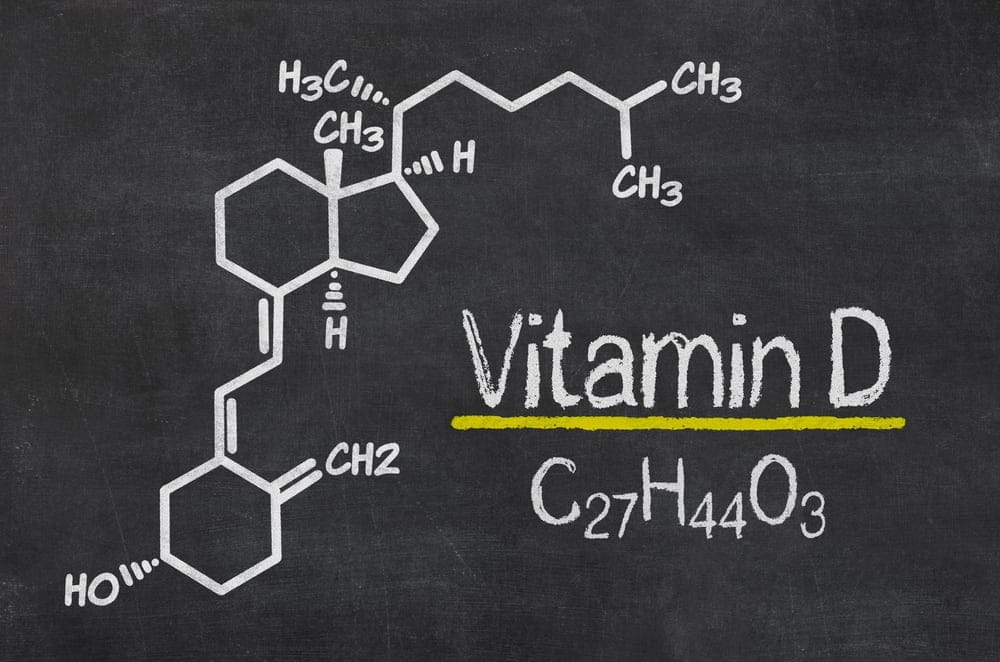
Most people think of vitamin D as a single entity, but it actually contains five distinct vitamers (different chemical forms of a single vitamin):
- Vitamin D1 – A 1:1 ratio of ergocalciferol with lumisterol
- Vitamin D2 (Ergocalciferol) – C28H44O
- Vitamin D3 (Cholecalciferol) – C27H44O
- Vitamin D4 (22-dihydroergocalciferol) – C28H46O
- Vitamin D5 (Sitocalciferol) – C29H48O
Vitamins D2 and D3 are the primary commercial forms of vitamin D. Vitamin D2 has a double bond between carbons 22 and 23 and an additional methyl group on carbon 24.
Clinical research has found that vitamin D3 is significantly more effective and potent at raising and sustaining total vitamin D levels than vitamin D2. This is due to its distinct molecular structures.
When to Avoid Vitamin D Supplements
Unlike water-soluble vitamins, excess amounts of vitamin D are stored in the fatty tissue and the liver rather than being excreted in urine. This can lead to the build-up of toxic levels of vitamin D.
You should consult a physician or avoid taking vitamin D supplements if you have the following conditions:
- Sarcoidosis – An inflammatory disease affecting the lungs and lymph nodes that can naturally increase vitamin D activation
- Hyperphosphatemia – High amounts of phosphate in the blood
- Hypervitaminosis – A toxic amount of vitamin D
- Arteriosclerosis obliterans – Severe arterial blockages that ectopic calcium deposits can worsen
- Kidney stones – Reduced kidney function makes it difficult to process metabolites and manage calcium levels safely
Dosage Limits
Taking a vitamin D supplement won’t correct a deficiency right away. It can take up to two weeks of daily use to bring blood serum concentrations back to an optimal range. Physicians may prescribe high doses to those with severe deficiencies.

A healthy adult generally requires around 600 to 800 International Units (IU) per day to maintain healthy bone metabolism. The established safe upper limit for daily consumption in healthy adults without medical supervision is 4,000 IU.
To be safe, it’s still best to consult your doctor before taking any supplements. You could also naturally include more vitamin D in your diet. The following are food sources of vitamin D and the corresponding IU:
- Cooked salmon/3 ounces – 444 IU
- Tuna fish canned in oil and drained/3 ounces – 229 IU
- Sardines canned in oil and drained/3 ounces – 165 IU
- Fortified non-fat milk/8 ounces – 116 IU
- Fortified orange juice/8 ounces – 100 IU
Side Effects of Too Much Vitamin D
As previously mentioned, vitamin D supplements have an upper limit of safety level for most people. This may vary depending on health conditions. If you overdose on the supplements, toxicity may build up in your body. This causes excessive absorption of calcium in the bloodstream.
Side effects of this may include:
- Kidney stones
- Disorientation
- Muscle weakness
- Bone pain
- Poor appetite and possible weight loss
- Extreme thirst
- Frequent urination
- Nausea or vomiting
- Fatigue
You must see a doctor if you experience any of these side effects. You’ll likely need to stop taking vitamin D supplements right away and drink plenty of water to stay hydrated. In serious cases, doctors may administer fluid intravenously or prescribe bisphosphonates to stop the release of calcium from bones.
Conclusion
While vitamin D supplements are highly effective for maintaining optimal bone and immune health, they must be used mindfully. Because vitamin D is fat-soluble and carries a risk of toxicity at high levels, understanding how it interacts with your unique biology and dietary habits is essential. Ultimately, consulting a healthcare professional ensures you achieve the perfect balance, allowing you to maximise the benefits of this important nutrient.