Many household cleaning products are made with strong synthetic chemicals. While they can be effective, they often come with side effects such as indoor air pollution, skin irritation, and negative impacts on waterways.
If you’re looking for safer and more sustainable ways to keep your home clean, eco-friendly chemical alternatives can provide a practical solution.
These options are generally safer for people and the environment, and many of them can already be found in your kitchen.
In this post:
Key Takeaways
Simple chemicals like baking soda, hydrogen peroxide, and castile soap can often replace harsher cleaners
The way these products are used, such as concentration, contact time, and application method, determines how effective they are
Even natural products need care; borax and concentrated hydrogen peroxide, for example, must be handled with caution
Blended or custom-made cleaners can offer the best balance of performance and sustainability
Understanding Eco-Friendly Cleaning Alternatives
With an increasing ecological awareness spreading throughout the world, many customers want an alternative to traditional cleaning products. That’s where eco-friendly alternatives come into their own.
Eco-friendly cleaning alternatives are substances that break down into simple, safe byproducts and are less harmful to health and the environment. They tend to be biodegradable, low in toxicity, and effective at everyday cleaning tasks when used properly.
However, it is important to remember that ‘natural’ does not always equal ‘safe’.
Many of the examples below can still irritate skin or damage surfaces if used incorrectly. The safest approach is to choose the right cleaner for the job and use it in the correct concentration with the proper safety considerations.
Top 5 Eco-Friendly Chemicals for Cleaning
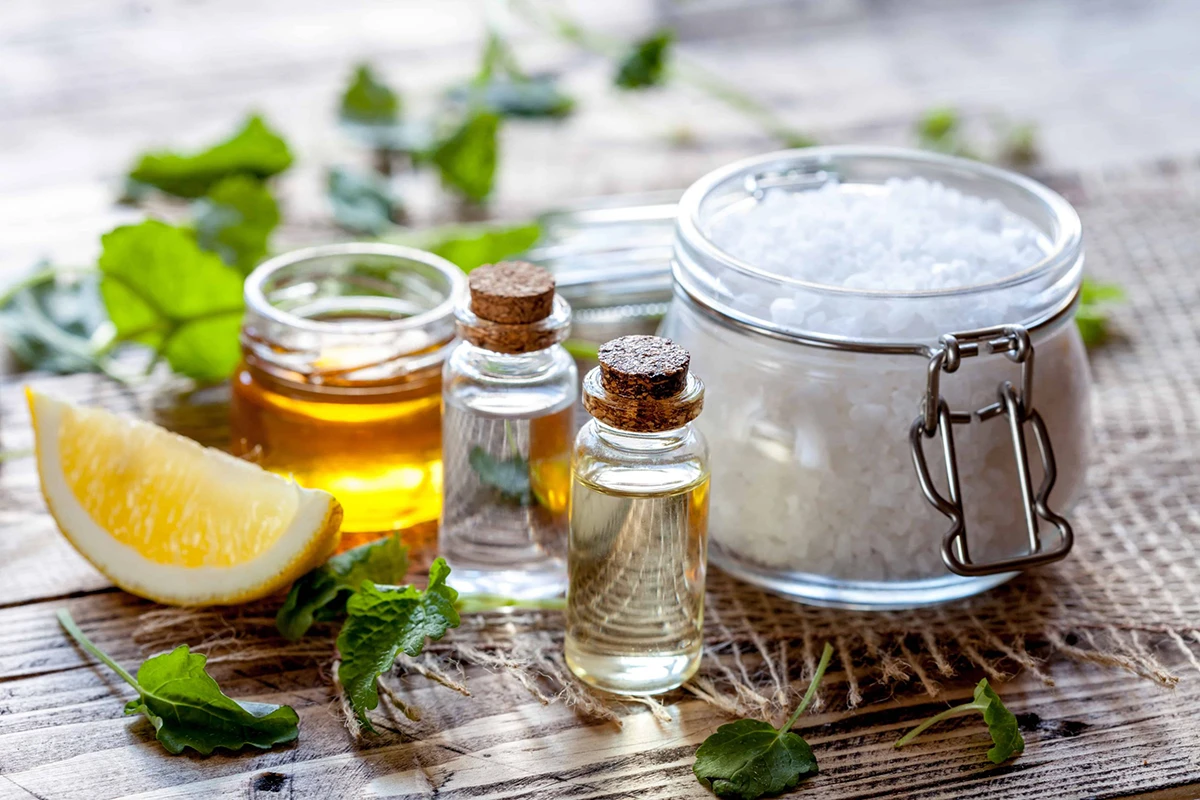
There are many natural and low-toxicity substances that can be used in place of traditional cleaners.
The five below are some of the most effective and widely available. Each has its strengths, limitations, and recommended uses.
1. Baking Soda (Sodium Bicarbonate)
Baking soda is a mild base that helps break down grease and dirt. In paste form, its slight abrasiveness makes it an effective scrub for sinks, ovens, and tiles.
Studies have shown it can also reduce odours and help remove pesticide residues from produce.
While it has some antimicrobial properties, it should not be relied on as a disinfectant. It is best used for deodorising bins, scrubbing stubborn stains, and freshening carpets.
2. Castile Soap
Castile soap is made from oils such as olive or coconut, and is biodegradable. It works by breaking down grease and dirt, making it an excellent all-purpose cleaner, with some people even using it for face cleansing.
While it does not disinfect, it is gentle on skin and surfaces alike, making it a great item to combine with others in a cleaning routine.
Diluted in warm water, it is ideal for everyday surface cleaning alongside a disinfectant.
3. Hydrogen Peroxide
Hydrogen peroxide is one of the most effective eco-friendly disinfectants available. It works by releasing oxygen, which destroys bacteria, viruses, and mould while breaking down into harmless water and oxygen.
Studies in hospital settings show its effectiveness against harmful microorganisms, and a 3% household solution can be used on surfaces, tiles, or grout, with a recommended contact time of around 10 minutes. Make sure, however, that you always store it in dark bottles and away from sunlight.
4. Cream of Tartar (Potassium Bitartrate)
Cream of tartar is a mild acid often used in baking, but equally effective in cleaning. It helps remove stains, polish metal, and even loosen grime when combined with baking soda.
While not a strong disinfectant, it is useful for specific tasks such as cleaning rust, brightening metals, or unblocking drains when combined with salt and boiling water.
This has made it a common mainstay in eco-friendly cleaning products, as well as home cleaning recipes found online.

5. Borax (Sodium Tetraborate)
Borax has long been used as a laundry booster and water softener, and it can make cleaning blends more effective.
However, in the UK and EU its use is restricted, with pure borax no longer sold to consumers due to safety concerns, though it can be seen in some products made through contract manufacturing.
If you are able to get borax, it should be handled with care, using gloves and proper ventilation. This prevents the risk of irritation on your skin and from breathing it in.
Tips for Choosing and Using Eco-Friendly Cleaners
Switching to eco-friendly cleaners works best when you follow some simple practices. It’s important to keep in mind that, much like with traditional cleaning products, you need to consider key points and principles before going fully onboard with their use across your whole home:
- Look for transparency from suppliers, with clear safety data and proper quality standards
- Always use the smallest effective amount, as too much can be wasteful or harmful – or both
- Ventilation is essential when working with oxidisers or acids to avoid vapour build-up
- Store products correctly, such as keeping hydrogen peroxide in dark bottles
- Test cleaners on a hidden patch before applying them widely
- Avoid dangerous combinations, such as hydrogen peroxide with vinegar, or bleach with ammonia
- Allow more contact time than standard household cleaners – many natural cleaners need minutes, not seconds, to work effectively
- Combine with physical methods like scrubbing or heat for best results
As always, we cannot advise on best practices around this area. However, we can help assist cleaning companies with chemical mixing on an industrial scale.
Conclusion
Eco-friendly alternatives like baking soda, castile soap, hydrogen peroxide, cream of tartar, and borax provide practical, safer ways to clean without relying on harsher synthetic chemicals. They are not cure-alls, but when chosen and used carefully, they can replace a portion of conventional cleaning products.
conventional cleaning products.