A chemical hazard in food is when food gets contaminated with pathogens or toxic chemicals, making it no longer suitable or safe to eat. Several food additives, such as chemical preservatives, can be hazardous at high levels. Even some chemicals used in processed food are potentially harmful, with some becoming carcinogenic if a person is exposed to them over a long period of time.
In this post:
What Are Chemical Hazards in Food Safety?
Possible contaminants in food include salmonella, chemicals such as pesticides, and physical contaminants like small particles of broken glass. Food safety is compromised when food becomes contaminated with these things, or when food undergoes chemical change as a result of exposure to sunlight or heat.

For example, botulism is a serious and potentially deadly illness that’s caused by the botulinum toxin, which can accumulate in food contaminated by Clostridium botulinum (C. botulinum) bacterium. This bacterium is commonly found in preserved food, such as home-canned products, that aren’t properly washed or cooked. The bacteria grows fast in temperatures ranging from 20°C to 45°C.
Botulism causes paralysis that starts in the face and spreads to the limbs. When the toxin reaches the lung muscles, it can cause breathing failure. Early symptoms of food-borne botulism include the following:
- Nausea
- Vomiting
- Diarrhea
These early symptoms are usually followed by:
- Constipation
- Abdominal distention
Chemical hazards can come from various sources at different stages of food production and preparation. Hazardous chemicals may already be present in the environment, leading to them getting accidentally introduced to the food.
In some cases, hazardous chemicals are produced by chemical reactions in the food itself due to how it’s processed. For example, when you grill meat on a high heat, some of the proteins can be converted into cancer-causing chemicals called heterocyclic amines (HCAs). This is particularly true in charred parts of grilled meat.
Key Takeaways
Food can become unsuitable to eat when contaminated by harmful small particles (e.g. broken glass particles), toxic chemicals, or pathogenic organisms
Contaminants can come from the environment as well as from food production
Food additives can chemically change, and may become harmful
Food itself can chemically change and produce toxins, including carcinogens, when heated at high temperatures
There are simple ways you can prevent food contamination and food poisoning, such as thoroughly washing uncooked food
Types of Chemical Hazards in Food
Hazardous chemicals that can potentially contaminate food can come from a variety of sources. These include natural sources, like pathogens from soil, industrial sources, and from agricultural sources, such as pesticides.
- Natural sources – The food we eat is mainly from plants and animals that are bred and cultivated or raised in farms. They are either sold fresh after harvesting or slaughtering or supplied to the food industry for further processing. However, livestock and crops can be infected with diseases. For example, pigs can be infested with parasites or get foot and mouth disease. There are some cases in which these infections might go undetected.
- Industrial sources – During processing, such as canning, food might be contaminated by traces of toxic chemicals like cleaning agents. Food additives might also undergo a chemical reaction or change.
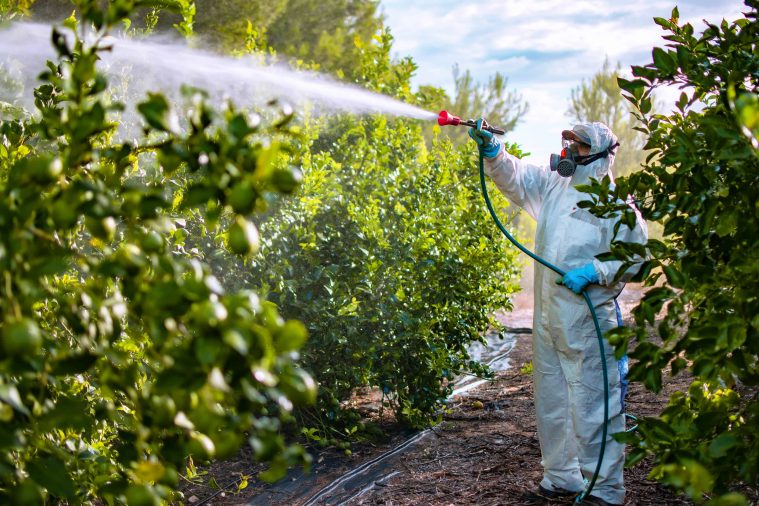
- Agricultural sources – Agricultural sources of contaminants include chemicals that are applied or fed to livestock and crops. These include pesticides, fertilisers, and antibiotics.
How is Food Contaminated with Hazardous Chemicals?
Here are some examples of how hazardous chemicals can contaminate food at various stages of production and processing:
- Harvesting: Fruits, vegetables, root crops, and grains are usually treated with pesticides and fertilisers. While these foods are washed during the harvesting process, some contaminants may still remain. Similarly, milk may be contaminated by bacteria from the nipples of their animal sources.
- Livestock and poultry farming: Food additives such as hormones, vitamins, and minerals are carefully formulated for animals to ensure they grow fast and produce more meat. However, some of these animal food additives are potentially harmful to humans in excessive amounts, which can happen if they accumulate in the bodies of livestock or poultry.
- Slaughtering: Slaughterhouses are typically centralised and well-regulated to ensure the cleanliness of the slaughtering process. However, there are some chemicals in slaughterhouses that could potentially contaminate the meat. For example, cleaning agents, like detergents, or disinfectants, like sodium hypochlorite, could potentially contaminate the meat.
- Processing: Many of the food items available in the supermarket have undergone some level of processing. Even “fresh” products, like fish and vegetables, have been processed and packaged before being delivered to the supermarkets. For example, ice is added to barrels and boxes of fish and other seafood items before being delivered to the sellers. The ice itself can be contaminated with chemicals like heavy metals, which in turn could contaminate the seafood. Similarly, fresh meat also requires adding ice or putting the product in refrigerated containers. As well as this, industrial scale processing of food, such as canning, requires the addition of preservatives, which could find their way into the food products.
- Transportation: Food has to be transported from the source to the market. The risk of it being contaminated during transportation is relatively low if the food is packaged well and not exposed to air. However, some food items, especially fresh produce such as fruits and vegetables, are transported in open containers. This could lead to dust and pollutants contaminating these food items along the way.
- Handling: When food items are delivered to the sellers, they can also be contaminated when not properly handled, especially when it comes to fresh food. For example, the conveyor belts might be contaminated, as well as the hands of those handling the food.
- Cooking: From restaurants to home kitchens, the risk of contamination is always present. Some of the chemicals that can potentially contaminate food include cleaning agents, disinfectants, preservatives, and excessive artificial food additives.
Common Chemical Contaminants in Different Food Types
Chemical food hazards are all around us. Many are intentionally added to food, but at acceptable or regulated levels. For instance, antibiotics might be added in livestock feeds to ensure the animals get bacterial infections. However, this may cause antibiotic resistant bacteria to proliferate, which could put humans at risk of being exposed to superbugs.
Here are some examples of hazardous chemicals that can potentially contaminate food:
- Pesticides: These include insecticides, herbicides, and fungicides that can contaminate fresh produce like vegetables. Trace amounts are present in fresh food in the supermarket that are directly delivered from farms. Pesticides also accumulate in the ecosystem through biological magnification through the food chain.
- Antibiotics: The fecal matter of livestock and poultry animals fed with high doses of antibiotics can contaminate other agricultural products. These products can harbor antibiotic-resistant bacteria.
- Toxic elements: Heavy metals like mercury and lead can contaminate crops through the irrigation systems.
- Mycotoxins: These are biological chemicals that are produced by fungi. Under certain conditions, the fungi that produce them grow on crops and other food products.
- Marine toxins: Eutrophication results in the overgrowth of algae and other marine organisms. They can accumulate in shellfishes during red tide.
- Food additives: Food colours, artificial flavourings, and preservatives can be harmful to humans in excessive amounts.
- Veterinary drug residues: Animals that are treated by veterinarians in the course of livestock farming may accumulate some drug residues that can be absorbed by humans.
- Processed food: Some harmful chemicals are produced during processing. For instance, carcinogenic acrylamide is produced when food products that are high in starch are fried, baked, or roasted at temperatures above 1,200°C. Products such as roast potatoes, chips, cereal, biscuits, and instant coffee often contain acrylamide.

How to Prevent Chemical Hazards in Food
As an individual, you can prevent chemical hazards in your food in several ways. Here are some examples of the things that you can do:
- Thoroughly wash food ingredients before cooking
- Choose fresh food rather than canned or processed food
- Use proper heat when cooking your food
- Avoid using too many food additives, like artificial flavours
- Buy organically produced food
It’s worth noting that in the UK, food products have to meet stringent safety standards and quality checks, so chemical hazards in food aren’t typically things we have to worry about.
Best Practices for Food Manufacturers & Suppliers
Food manufacturers and suppliers or distributors have specific methods, protocols, and practices when handling or processing food. These mainly depend on the type of food and the setting.
For example, when harvesting crops on farms, one best practice is to thoroughly wash the crop with water and diluted disinfectants to help remove contaminants such as soil particles and bacteria.
Another example is proper internal climate control of food storage areas to help prevent the growth of microorganisms. This applies in agricultural, industrial, and commercial settings such as fresh food markets.
In industrial settings, such as canning factories, ingredients must be properly cooked at the right temperature and disinfected before canning.
Government Regulations & Compliance
Food processing plants, restaurants, retail stores, and other food-related businesses must comply and pass certain tests before business licences can be issued.
Hygiene is a basic issue in the food industry. Some UK laws are comprehensive and applicable nationwide, such as the Food Safety Act 1990. This act includes provisions on food safety and consumer protection, administration and enforcement, and miscellaneous and supplementals.
There’s also legislation that are limited to a particular country or region in the UK. For example, the Food Additives Regulations 2009 (S.I. No. 3238 of 2009) are limited to England.
Consumer Awareness & Food Safety
Food regulations include a requirement to disclose the nutritional value and chemical additives on processed food labels.
Consumer awareness and food safety are also part of the UK government’s public information campaigns. However, it’s also the consumer’s responsibility to understand the nutritional value and safety of food we consume.
Conclusion
There are several ways in which food can be contaminated. Sources of contamination can be natural, industrial, or agricultural. Food products can be contaminated by hazardous chemicals or pathogens at any stage of food processing, handling, transportation, and storage. Although there are regulations that protect public welfare, it’s also the obligation of consumers to know the nutritional value and safety or risks of the food we eat.