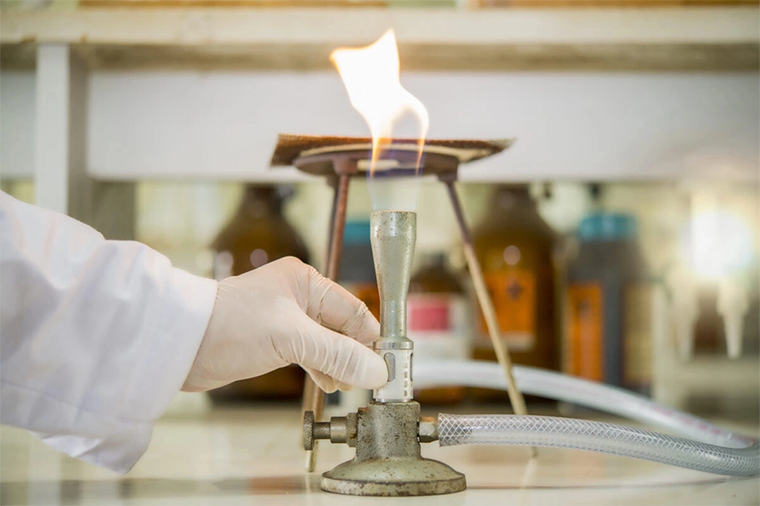
There’s a molecular universe behind every chemical reaction. Within this process are two key players – substrates and reagents. These components are essential for chemical manufacturing and have applications across a wide range of industries, from agrochemicals to life sciences.
Understanding the difference between substrates and reagents, along with how they interact, is integral to grasping how chemical reactions work. Whether you’re a student or just curious about chemical reactions, it’s valuable knowledge.
This article dissects these complex concepts in simple terms.
In this post:
Key Takeaways:
The interaction of substrates and reagents is a key function of a chemical reaction
In general chemistry, substrates are the molecules that change when targeted by a reagent
A reagent is a substance that’s added to a substrate to force a chemical reaction
An effective interaction between substrates and reagents helps chemists create purer results with fewer byproducts
What Is a Substrate?
In science, a substrate is the foundational surface, material, or molecule on which an organism lives or a chemical reaction occurs. Chemists and biologists use the term in a few ways depending on the context.

In general chemistry, a substrate is the primary molecule targeted by a reagent to trigger a chemical change. In biochemistry, a substrate is the specific molecule that binds to the active site of an enzyme to undergo a reaction.
But what is a substrate in the context of a chemical reaction process? It’s the substance that undergoes a change to become something new.
The chemical structure of a substrate dictates how the rest of the reaction proceeds. It remains the foundation of the entire experiment. Without this primary material, there’s nothing for the other chemicals to act upon.
What Is a Substrate Used For?
For scientists, substrates are the foundation for their chemical work. By modifying the substrate, they can create everything from life-saving medicines to durable plastics.
If you’re wondering “what is a substrate used for in a lab,” think of it as the core ingredient. It provides the necessary carbon skeleton or molecular framework for the reaction. Chemists observe how this material changes over time to measure the success of an experiment.
In nature, to say substrates are important is an understatement, They provide the nutrients or physical environment needed for life.
For example, a rock in a river serves as a substrate for algae to grow on. In a test tube, the substrate provides the specific atoms that will eventually form the desired product.
Examples of Substrates
Substrates come in many different forms depending on the branch of science you’re studying. In a standard organic chemistry reaction, a hydrocarbon might serve as the substrate. If you add chlorine to methane, the methane acts as the substrate.
Examples of substrates in organic chemistry include:
- Alkyl halides – A substrate targeted by chemicals to swap out a halogen atom and build new molecules
- Alkenes – A double-bonded substrate used to create everyday materials like plastics and fats
- Carboxylic acids – An acidic substrate mixed with alcohols to produce fragrances and flavourings
But what is a substrate In the world of biology? The answer involves enzymes.
Lactose is the substrate for the enzyme lactase, which breaks sugar down into simpler parts. This interaction is vital for human digestion and energy production.
Other examples of substrates in biology include:
- Cellulose – The substrate for enzymes that break down plant matter
- Silicon wafers – Used as a substrate in the electronics industry to build microchips
- Petri dishes – Often called a medium, the agar inside the dish acts as a substrate for bacteria
What’s a Reagent?
A reagent is a substance or compound added to a system to cause a chemical reaction. If a substrate is the target, the reagent is the arrow. It’s the tool that chemists use to force a change in another substance.

Reagents are often consumed as they bond with the substrate during a chemical reaction. They help chemists prove whether a specific substance is present or absent in a mixture.
While the substrate stays relatively passive, the reagent is active. It provides the energy or the specific atoms needed to transform the starting material. Without the right reagent, many substrates would sit in a beaker indefinitely without changing.
How Are Reagents Used?
Reagents serve a number of purposes in both industrial and research laboratories. Their most common use is to trigger a transformation in a substrate to produce a new chemical. They also act as indicators that change colour when they detect a specific element.
Medical professionals use diagnostic reagents to test blood glucose levels or detect infections. These chemicals react with the biological markers in a sample to provide a reading.
In manufacturing, reagents help turn raw materials into finished goods. They can remove impurities from metals and help create synthetic fibres for clothing.
Limiting Reagents
In any given reaction, you might have more of one chemical than another. The limiting reagent (also called the limiting reactant) is the substance that’s completely consumed first. Once this chemical runs out, the reaction stops, regardless of how much substrate remains.
Understanding limiting reagents is vital for cost-effective manufacturing. Companies don’t want to waste expensive substrates if they don’t have enough of a reagent to finish the job. Calculating these ratios ensures the reaction reaches its maximum potential yield.
Here’s a non-chemistry example to paint a simple picture. Let’s say you want to bake a cake and you have ten bags of flour, but only two eggs. Although you have plenty of flour, the eggs are your limiting factor that dictate your ability to make a cake.
Examples of a Reagent
You likely interact with reagents more often than you realise. A common pregnancy test uses reagents to detect hormones in urine. If the hormone is present, the reagent triggers a visible colour change on the test strip.
Other everyday examples include:
- Baking soda – A reagent used in kitchen chemistry to react with acids to make dough rise
- Chlorine bleach – An oxidising reagent used to break down the chemical bonds of stains and bacteria, making them invisible or harmless
- Carbon monoxide – An industrial reagent used in steel manufacturing to strip oxygen away from iron ore to create pure metal
How Reagents Interact with Substrates
The interaction between reagents and substrates is a core function in chemistry.
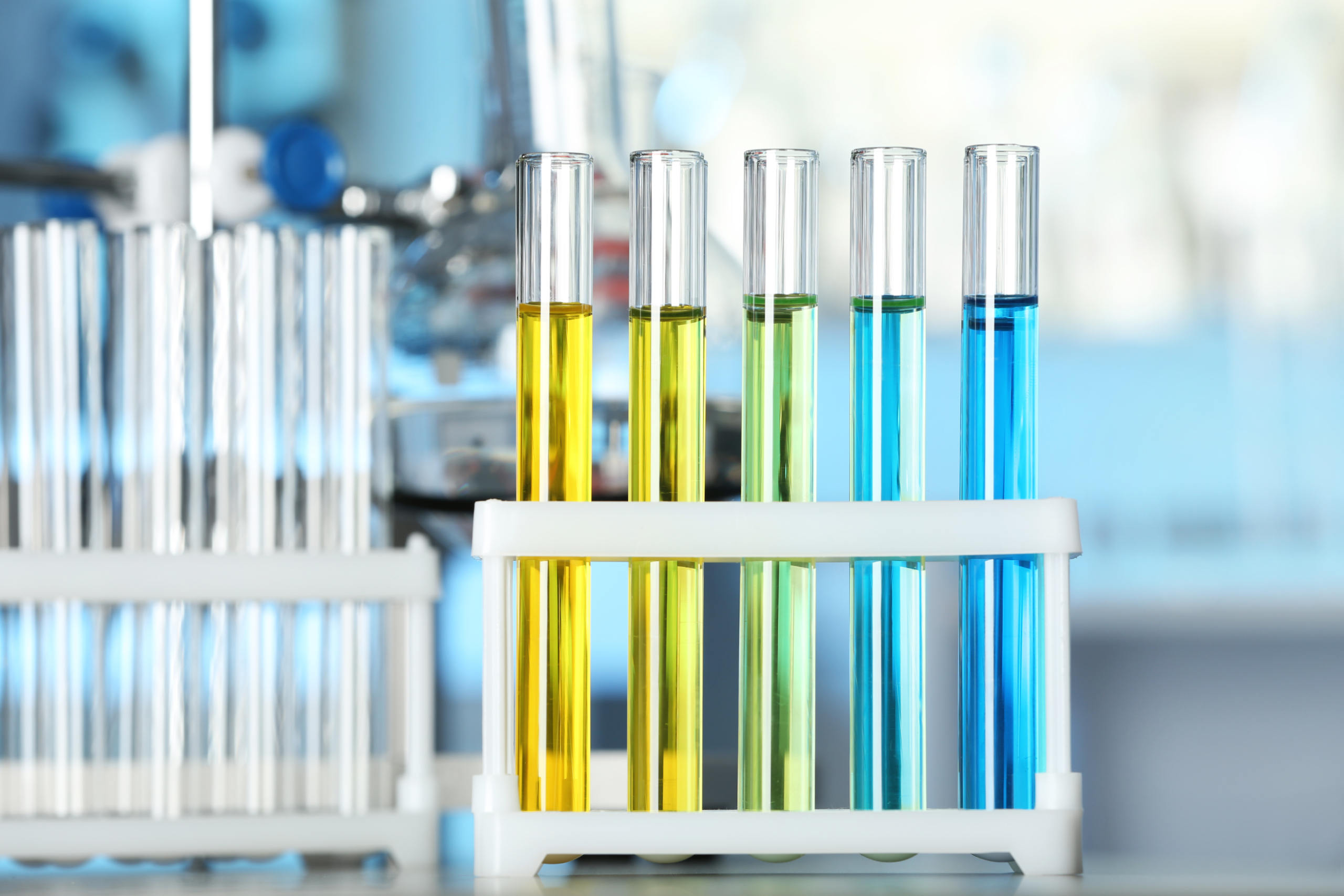
When you mix a reagent with a substrate, a collision occurs at the molecular level. If the molecules hit each other with enough energy, chemical bonds break and new ones form.
But what is a substrate in a visual sense?
To understand this, imagine a lock and key. In biological systems, the substrate (lock) has a very specific shape. The reagent or enzyme (key) must fit perfectly into that shape to trigger the desired reaction.
In industrial settings, this interaction might require heat or pressure. The reagent might strip away an atom from the substrate or add a new group of atoms to it. This molecular dance results in the creation of everything from fuels to fragrances.
Chemists spend years studying how to control these interactions. Their goal is to get the reagent to hit the substrate in exactly the right spot. Precision leads to fewer byproducts and a much cleaner result.
Understanding substrates helps you predict how a specific reagent will behave. If the substrate is highly reactive, the interaction might be explosive or very fast. If the substrate is stable, the reagent might need a catalyst to stimulate the process.
Conclusion
The dynamics of a substrate and a reagent are impactful in the world of chemistry. Together, these two components interact to create new products, drive biological processes, and facilitate scientific discoveries. Keeping these definitions clear supports better communication in the lab and a deeper appreciation for the science that shapes our world.