Electrical safety is critical in pharmaceutical manufacturing, where complex equipment, high electrical loads, and chemical solutions are part of daily operations. Regular inspections ensure systems remain safe, compliant, and capable of supporting high-volume production lines.
One of the most important assessments for facilities in the UK is the Electrical Installation Condition Report (EICR). This formal inspection evaluates the safety and condition of a building’s electrical infrastructure.
In this post:
Key Takeaways
An Electronic Inspection Condition Report (EICR) is an essential step for manufacturing facilities operating with heavy electrical loads
EICR codes alert companies to electrical faults that require immediate or preventive maintenance
EICR inspections ensure companies remain compliant with UK electricity and workplace safety laws
Pharmaceutical manufacturing facilities rely on EICRs to maintain operational efficiency and protect employees
What is an EICR?
An EICR is a comprehensive safety inspection that checks the condition of a building’s electrical infrastructure. It’s carried out by a qualified, registered electrician who’s undergone training in EICR inspections.

An inspector examines a facility’s fixed and hard-wired system for damage, natural wear, safety hazards, and compliance with the BS 7671:2018 Institute of Engineering and Technology (IET) Wiring Regulations.
The final report documents the condition of all electrical components and applies codes indicating whether or not immediate action is required to remediate an issue.
What the Report Covers
Manufacturing facilities depend on complex electronic systems. An EICR assesses these systems for safety and functionality.
Typical areas covered in the report include:
- Fixed wiring – These are permanently wired components such as circuits, light fittings, switches, and socket outlets. An EICR report details signs of deterioration, overheating, and the ability of each component to handle the electrical loads.
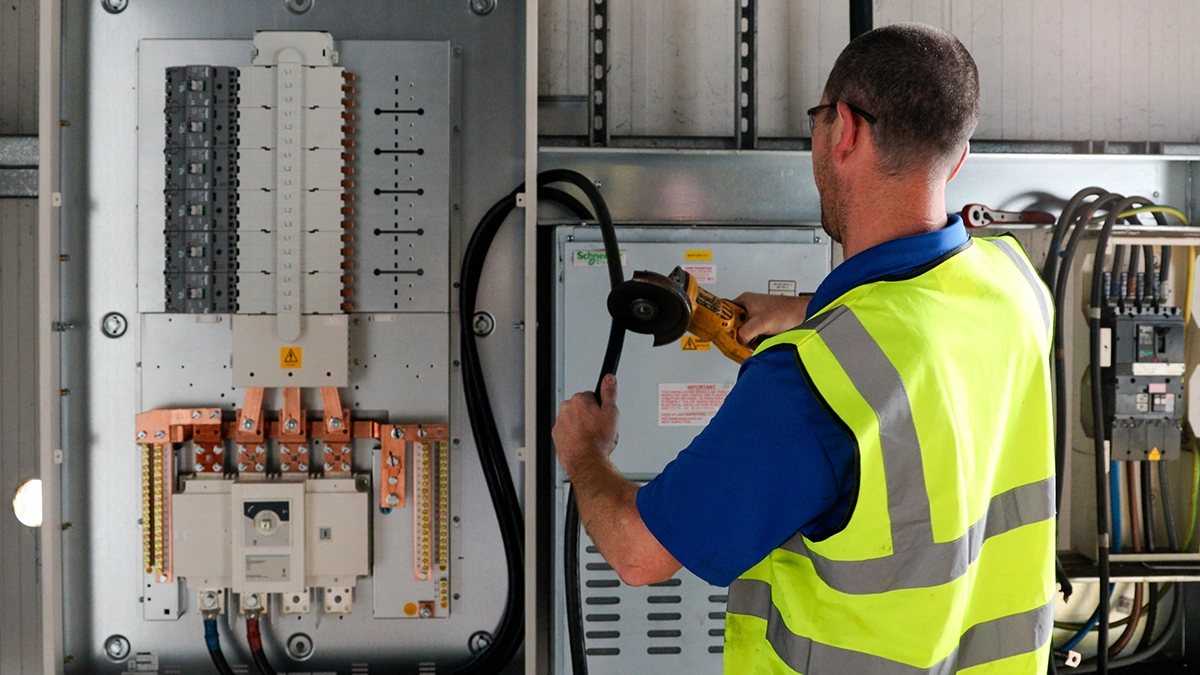
- Distribution boards – Technically considered fixed- or hard-wired, distribution boards control and protect circuits. The report includes the condition of circuit breakers, documenting signs of damage or overheating. It also records fuse ratings and whether a board is labelled properly.
- Earthing and bonding – Conductive equipment must be connected to the Earth. Nonconductive parts like pipes or conduits must be bonded, meaning they’re connected to each other. An EICR report confirms whether earthing and bonding requirements are met.
- Electrical fault testing – An inspector tests the overall system integrity. They perform Residual Current Device (RCD) trip time testing, insulation resistance testing, and check the continuity of protective conductors. The report shows whether circuits perform safely under fault conditions.
Reports vary based on the facility. Older buildings with outdated electrical systems often require extensive assessments and receive reports that reveal multiple issues. Inspections of new facilities are typically easier, faster, and result in fewer red flags.
A Breakdown of EICR Codes
An inspector uses a coded grading system to rate problematic electrical components after an EICR inspection. These codes reflect the severity of the problem and indicate the level of remedial action required.
The following codes are defined by BS 7671 guidelines:
- C1: Danger Present – This indicates a high risk of injury or fire, typically a result of exposed wires, overheating, or broken sockets. The inspector may make immediate repairs to ensure temporary safety until the issue is permanently fixed. A C1 results in an unsatisfactory EICR report.
- C2: Potentially Dangerous – This highlights electrical issues that could become a safety risk if not resolved. C2 ratings are often caused by earthing problems, inadequate wiring insulation, and missing RCD protection. They result in an unsatisfactory EICR report.
- C3: Improvement Recommended – This is an advisory rating indicating that an electrical system fails to meet best practices, but isn’t dangerous. C3 ratings typically result from outdated equipment, wear and tear, and inadequately labelled distribution boards. They result in a satisfactory EICR report.
- F1: Further Investigation – Inspectors use this code when they’re unable to access or test certain components. Examples include buried wires, untraceable circuits, or machinery that can’t be inspected unless shut down or dismantled. An F1 rating deems the EICR report unsatisfactory pending the successful inspection of the issue.
EICR codes are universal across the UK. However, code issuance varies based on the environment, equipment, and the inspector’s judgment.
For example, the same electrical defect can receive a different code depending on the risk level of the environment and how a piece of equipment is used.
Is an EICR Report Mandatory?
Commercial, industrial, and residential properties in the UK must obtain EICRs. When a report returns C1, C2, or F1 ratings, companies have a responsibility to perform remedial work within 28 days to stay compliant.
UK Electrical Safety Regulations
In the UK, companies must adhere to the following laws on electrical installation and maintenance:
- Electricity at Work Regulations 1989 (EAW) – Set of laws that enforce the safe construction, maintenance, and use of electrical systems by employers, employees, and the self-employed
- Health and Safety at Work etc. Act 1974 – Workplace safety law that requires employers to protect employees from electrical hazards by maintaining safe equipment and systems
Failing to adhere to these laws could result in serious injury, fines, operational disruption, or prosecution.
Why EICRs Matter in Pharmaceutical Environments
Pharmaceutical manufacturing relies on a stable electrical infrastructure. Production lines, labs, cleanrooms, HVAC systems, and automated equipment must function at optimal efficiency to support continuous manufacturing.

EICR inspections help pharmaceutical companies better understand the condition of their electrical systems. They pinpoint faults, degradation, and safety hazards, allowing for proactive maintenance before injury or operational disruption occurs.
High-Risk Electrical Loads in Production Facilities
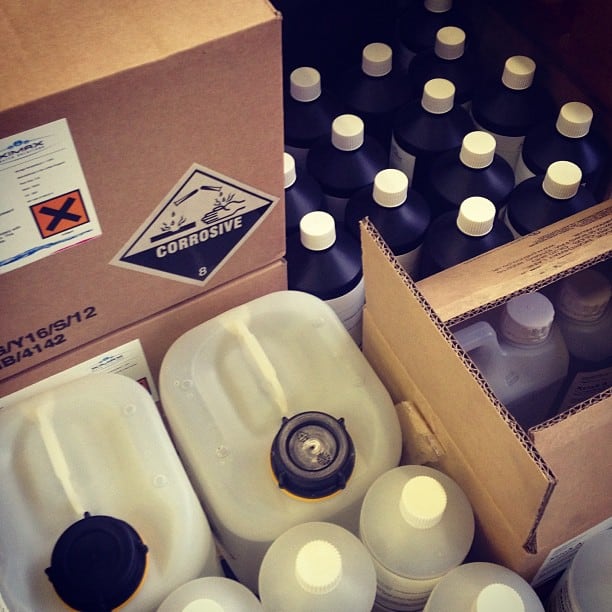
Many of the raw materials used to make drugs are pharmaceutical chemicals in the form of liquids, gases, and powders. Some of these are highly flammable and pose potential safety hazards when used with electrical equipment.
The following equipment may be considered high-risk if not maintained:
- Manufacturing equipment – Mixing vessels, filling lines, dryers, and control boards run for long periods. They require a steady electrical supply to prevent overheating and circuit overloads.
- Reactor systems – These vessels support chemical reactions and blend raw materials such as biological buffers. Reactions often cause exothermic heat that can contribute to a vessel overheating. A reliable electrical supply supports temperature control and operational continuity.
- Analytical equipment – Devices such as spectroscopes, chromatography systems, and mass spectrometers are crucial for maintaining drug quality. Electrical components must be maintained to ensure operational reliability and prevent sparks, explosions, or high-voltage shocks.
- HVAC systems – Cleanrooms, labs, and temperature-controlled areas depend on HVAC systems to support sterilisation and drug consistency. Stable electrical systems prevent overheating or short-circuiting.
Electronic issues may go undetected until a breakdown or safety incident occurs. Regular EICR inspections are the best way to monitor and maintain the health of a facility’s electrical equipment.
How EICRs Support Safe, Compliant Production
The pharmaceutical industry is growing. Companies need a reliable manufacturing process to meet the rising demand for highly specialised drugs.
As innovative technology such as PAT systems becomes more common, EICRs play an increasingly crucial role in electrical safety and production oversight.
Protecting Staff
Inadequate earthing, damaged wiring, unauthorised equipment modifications, and overloaded circuits can lead to fires or electrical shock. EICR inspections identify these hazards before they endanger employees.
Maintaining Production Integrity
Equipment uptime is crucial in high-production pharmaceutical facilities. A single overloaded circuit or earthing malfunction can halt operations or compromise product quality.
EICR inspections ensure electrical systems can handle the power demands of pharmaceutical equipment and technology. They also identify faults before they occur, supporting preventive maintenance and production continuity.
Long-Term Compliance
EICRs create a record of a facility’s electrical condition. Reports include the inspection date, test results, and inspector’s name. They also show when a faulty system was remediated.
Companies often use EICR reports to prove compliance with BS 7671 guidelines. Reports also come in handy when proving safety due diligence to insurers or in the event of a regulatory investigation.
When Pharmaceutical Facilities Should Conduct EICR Inspections
While there are no legal requirements related to EICR inspection frequency, pharmaceutical manufacturing facilities must comply with the Electricity at Work Regulations 1989.
BS 7671 IET Wiring Regulations suggest the following EICR intervals for different environments:
- Industrial facilities – 3-5 years
- High-risk environments, such as chemical plants – 1-3 years
- Standard commercial buildings – 5 years
Most pharmaceutical manufacturing facilities are considered industrial or high-risk environments, depending on their chemical handling processes.
Companies should also conduct a new EICR inspection when:
- Electrical systems undergo upgrades or modifications.
- The facility experiences an electrical fault, shock, fire, flood, or equipment damage.
- A previous EICR specifies a shorter re-inspection time.
- The age or condition of the electrical system is unknown.
- The company expands into a new facility.
Conclusion
In pharmaceutical manufacturing, a reliable electrical infrastructure is essential for maintaining safe working conditions, protecting sensitive equipment, and ensuring uninterrupted production. Carrying out regular EICR inspections and addressing issues promptly reduces operational risks and ensures compliance in this highly regulated industry.