Electronic cigarettes (e-cigarettes) are perceived by many as a healthier and cheaper alternative to traditional cigarettes. But there are chemical solutions in these devices that all users should know about.
Vaping is common in the UK. A survey by Action on Smoking and Health (ASH) found that 10% of adults in the UK (5.5 million) use a vape. 3 million of these are ex-smokers.
E-cigarettes involve different ingredients and functional components than tobacco cigarettes. This means there are different chemicals and chemical reactions at play.
Keep reading to learn how vapes work and the chemicals involved.
Key Takeaways
E-cigarettes have grown in popularity, with more people in the UK using vapes than traditional cigarettes
Modern e-cigarettes work by heating liquid nicotine, which turns it into an inhalable aerosol
E-cigarettes contain two primary carrier solvents, propylene glycol and vegetable glycerin, which provide flavouring and create a vapour cloud
In this post:
How E-Cigarettes Have Changed
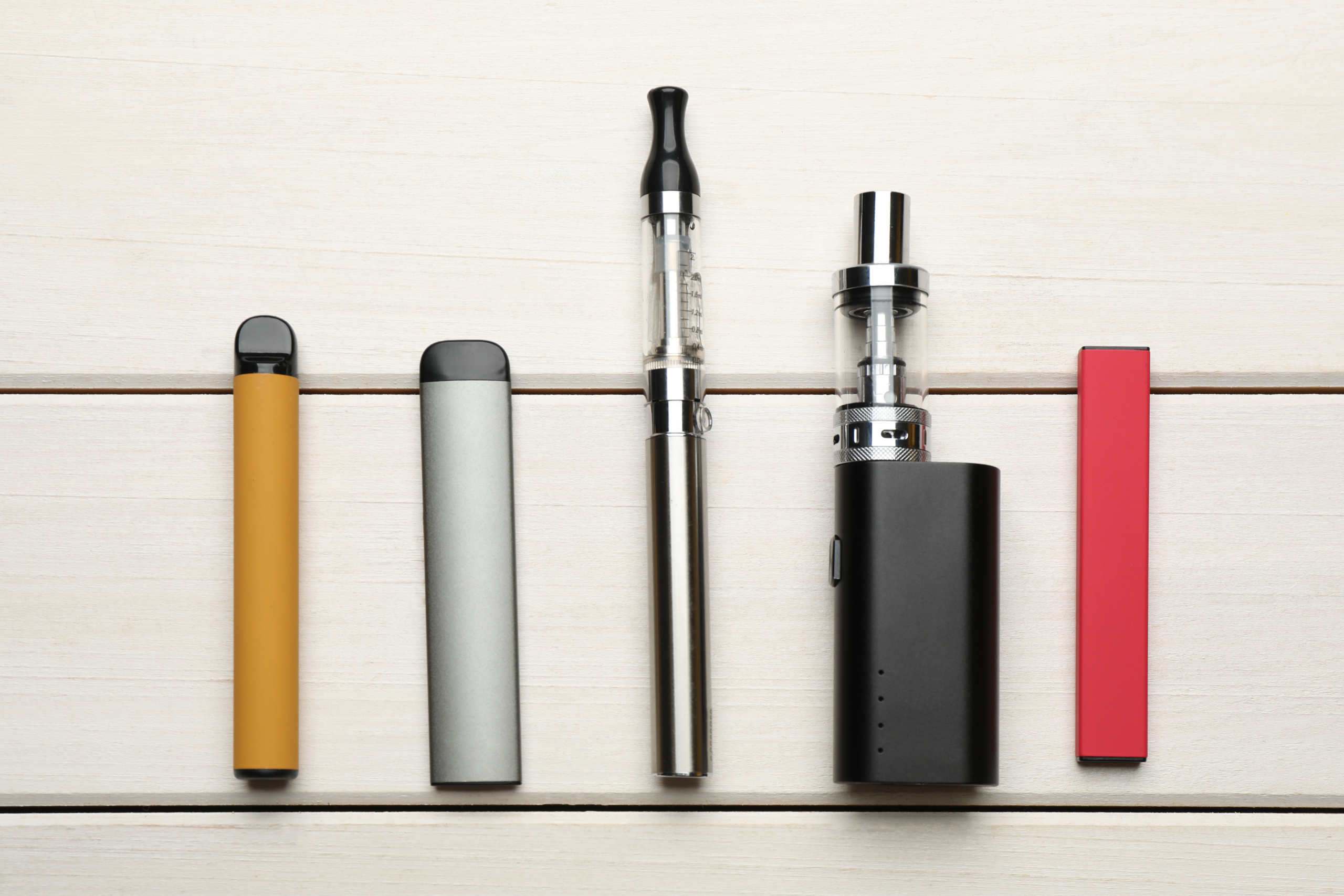
The vaping market has changed quickly since its inception. Following a massive surge in single-use disposable vapes, the UK government introduced a comprehensive ban on disposable vapes. This was due to the environmental waste caused by lithium batteries and concerns over underage vaping.
As a result, the modern landscape has successfully shifted toward reusable, refillable pod devices. Today, more people use vapes than traditional cigarettes in the UK.
How Electronic Cigarettes Work
Early e-cigarettes were designed to look like traditional cigarettes. Modern vapes have evolved. Today, most contain refillable tank systems or reusable pod mods.
Let’s look at how the vaping process works:
- The user inhales through the mouthpiece (or presses a button), which triggers an internal sensor.
- A sensor activates a rechargeable lithium-ion battery, which sends an electrical current to an atomiser.
- The atomiser contains a heating coil wrapped around a wicking material that’s saturated with e-liquid.
- The coil heats the e-liquid to between 150°C and 300°C, which transforms it to an inhalable aerosol.
- The liquidised nicotine creates a vapour, which reaches the lungs upon inhalation. When the user exhales, a cloud of propylene glycol (PG) and vegetable glycerin (VG) dissipates into the air.
There’s a common misconception that inhaling secondhand e-cigarette vapour isn’t harmful. While they contain fewer toxins than traditional cigarette smoke, e-cigarette vapour still carries nicotine and fine particulate matter that can be harmful if inhaled.
Chemicals Found in E-Liquid
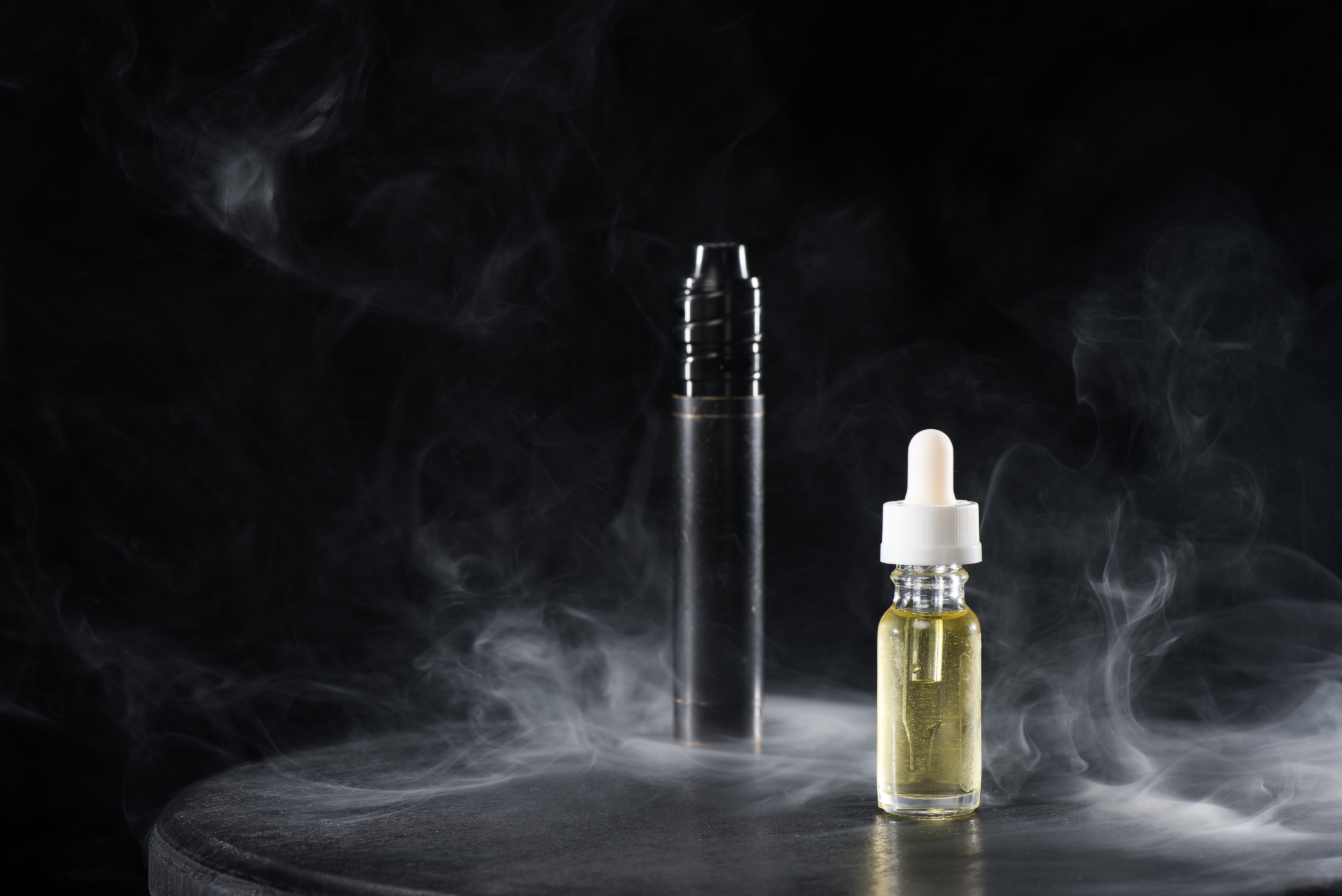
E-cigarette liquid (or e-liquid) is composed of very few ingredients compared to the thousands of toxic chemicals found in tobacco smoke.
Nicotine
E-liquids come in varying nicotine strengths to help smokers gradually taper their dependency. The Tobacco and Related Products Regulations set the maximum legal nicotine concentration permitted for retail sale at 20mg/ml (or 2.0%).
Carrier Solvents
Roughly 95% of any e-liquid consists of two primary carrier solvents:
- Propylene glycol (PG): A thin, odourless liquid used to carry flavourings and simulate the throat sensation smokers enjoy.
- Vegetable glycerin (VG): A thicker, sweet-tasting liquid derived from plant oils that’s responsible for creating the dense cloud when heated.
Both of these carrier solvents are widely used in food, cosmetics, and pharmaceuticals. They’re classified as safe for ingestion, though researchers continue to study their effects when inhaled over long periods.
Nicotine Cartridges
The liquid nicotine in an e-cigarette cartridge consists mostly of carrier solvents, such as glycerol and/or propylene glycol. Around 95% of the liquid is made up of these solvents. The chemical makeup of vape liquid may vary slightly based on the flavour.
Vapour

In a traditional cigarette, chemicals such as tar, carbon monoxide, nitrogen oxides, hydrogen cyanide, and ammonia are released into the environment. This can be inhaled by others, referred to as “secondhand smoking.”
Flavoured Liquid
Depending on the product, e-liquids contain food-grade flavourings to make the transition from tobacco more appealing. While these flavourings are safe to eat, they shouldn’t be inhaled.
Public health scientists monitor and restrict the following compounds:
- Diacetyl – This chemical is used to create buttery flavours and is linked to “popcorn lung” or bronchiolitis obliterans. While strictly banned in the UK, diacetyl remains a major point of concern in unregulated markets.
- Cinnamaldehyde & Menthol: Known to cause localised cellular toxicity and respiratory irritation in lung tissue when heated.
It’s important to understand the dangers of these chemicals when using e-cigarettes.
Conclusion
Ultimately, while e-cigarettes offer a highly regulated alternative for smokers looking to quit, they’re not completely risk-free. By understanding the core chemicals involved, from the primary carrier solvents to regulated nicotine levels, consumers can make more informed choices about their health while remaining mindful of the long-term impact of inhaled aerosols.